Bizen Ware Guide | Japan's Unglazed Pottery Tradition
The Beauty of Fire Alone
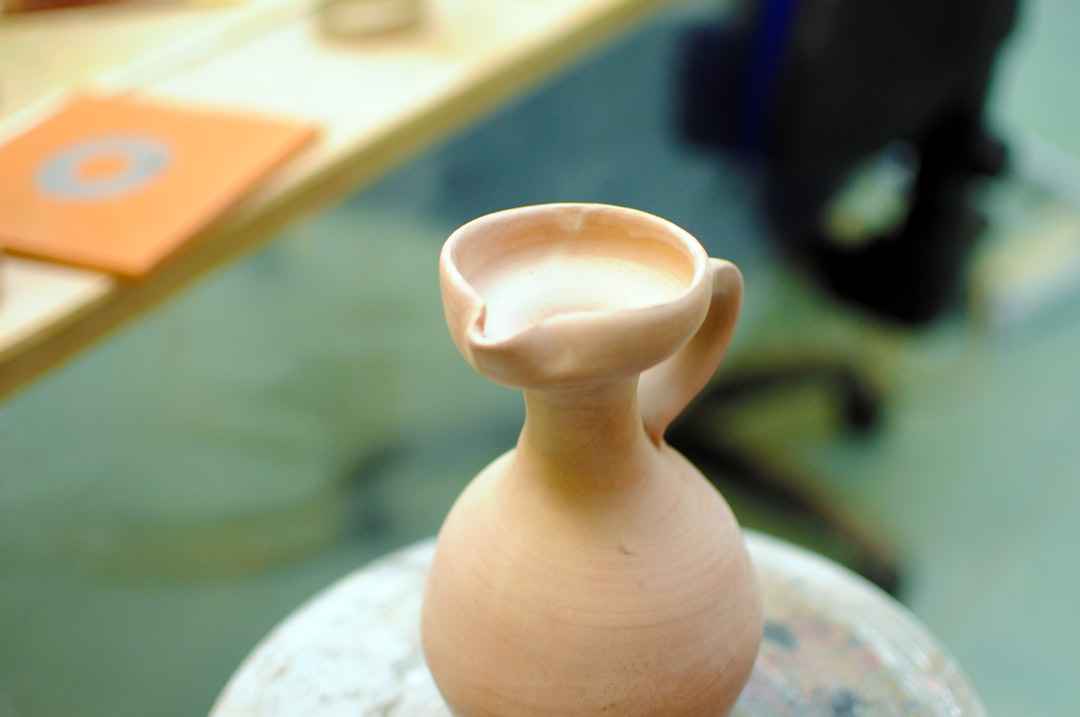
Bizen ware (備前焼, Bizen-yaki) is unique among Japanese ceramics: it uses no glaze whatsoever. Instead, all color and pattern come from the clay itself and the 10–14 day wood-firing process. Each piece emerges from the kiln as a one-of-a-kind work of art, bearing the marks of fire, ash, and chance.
Fire Marks: Nature's Decoration
Hidasuki — Red/orange lines created by wrapping straw around the piece before firing
Goma — "Sesame seed" specks of natural ash glaze from wood fuel
Sangiri — Dramatic color variations from being buried in embers
Yōhen — Unexpected color changes from kiln atmosphere variations
Why Bizen Makes Beer Taste Better
Bizen's microscopic surface texture creates fine bubbles when beer is poured, resulting in a creamier head that lasts longer. The clay also keeps drinks cold longer than glass. This isn't marketing — it's been verified through scientific analysis of the clay's porosity.
Living with Bizen
Bizen ware improves with use. The porous clay gradually absorbs oils and tannins, developing a rich patina. Tea enthusiasts especially prize well-used Bizen teapots, believing they improve the flavor of tea over decades of use.
Buying Authentic Bizen
Visit Bizen city in Okayama Prefecture, where over 100 active kilns operate. The annual Bizen Pottery Festival (October) offers direct access to artisans. Prices range from ¥1,000 for small cups to hundreds of thousands for master works.
ITOWOCASHI POINT
会員になると、毎日のご来店・記事を読む・ミニゲームでポイントが貯まり、¥500・¥1,200 OFF クーポンに交換できます。