Japanese Tableware Selection Guide | 5 Tips for Beginners
Building Your Japanese Tableware Collection
Japanese cuisine is as much about visual presentation as taste. The right tableware enhances every meal — but with so many options, where do you begin? Here are five essential tips for building a beautiful, functional collection.
1. Start with Versatile Basics
Begin with pieces you'll use daily:
Rice bowls (chawan) — 11–12cm diameter, one per person
Soup bowls (wan) — Lacquer or ceramic with lids
Medium plates (sara) — 18–22cm, the workhorse of Japanese dining
Small plates (kozara) — 10–13cm, for pickles, condiments, desserts
Dipping dishes (tezara) — For soy sauce and dipping sauces
2. Mix Materials and Textures
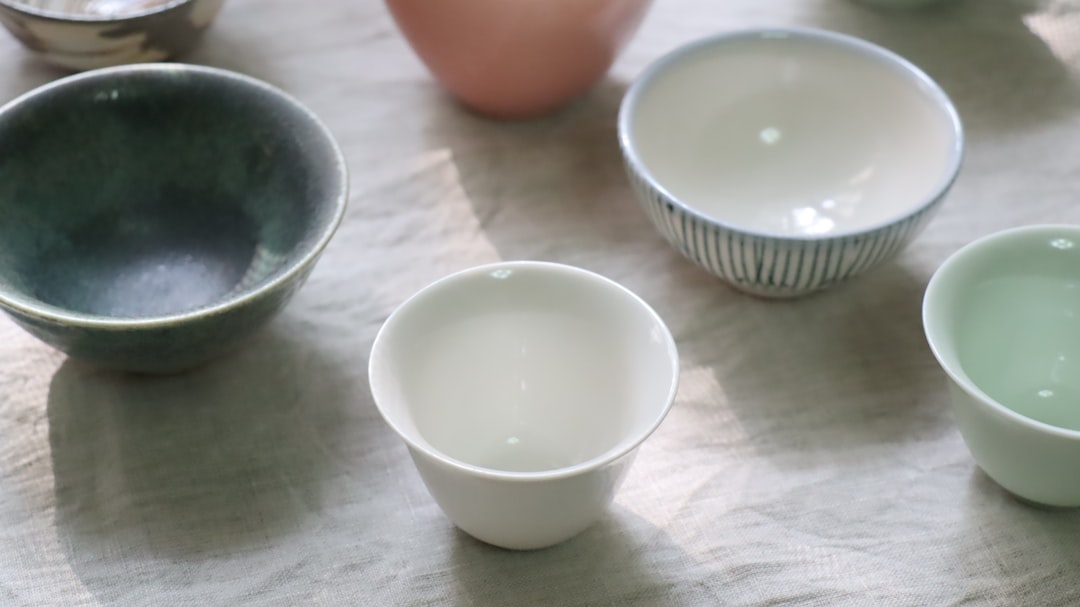
Japanese table settings embrace variety. Unlike Western dining where everything matches, Japanese aesthetics celebrate contrast: a rough Bizen plate next to a delicate Arita porcelain cup. This "mismatched harmony" creates visual interest and reflects the seasons.
3. Consider the Food You Cook
Choose shapes that suit your cooking style:
Deep bowls for noodles, donburi, and stews
Flat plates for sashimi, grilled fish, and Western dishes
Rectangular plates (kakuzara) for grilled fish and appetizers
Small bowls (kobachi) for side dishes and salads
4. Think About Color and Season
In Japanese tradition, tableware changes with the seasons. As a starting point:
White/blue — Year-round classics, cool and clean
Earth tones — Warm and cozy for autumn/winter
Green celadon — Refreshing for spring/summer
5. Quality Over Quantity
One beautifully crafted piece brings more joy than ten mass-produced ones. Visit pottery markets, talk to artisans, and choose pieces that speak to you. Japanese pottery is meant to be touched, used, and loved — not just displayed.
ITOWOCASHI POINT
会員になると、毎日のご来店・記事を読む・ミニゲームでポイントが貯まり、¥500・¥1,200 OFF クーポンに交換できます。