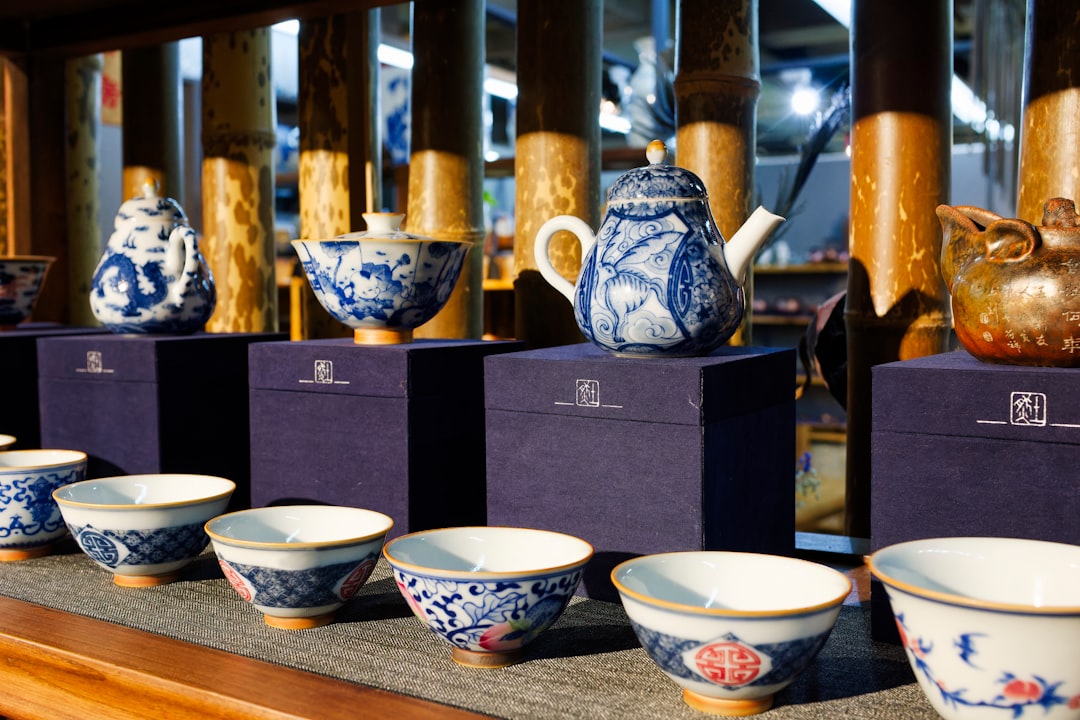
Indigo Blue Japanese Pottery | The Timeless Appeal of Sometsuke
Japan's Beloved Blue
Blue-and-white pottery (染付, sometsuke) is perhaps the most iconic style of Japanese ceramics. Using cobalt-based pigments called gosu (呉須), artisans paint designs on white porcelain before glazing, creating timeless pieces that complement any table setting.
The History of Sometsuke
Blue-and-white porcelain originated in China during the Yuan Dynasty and arrived in Japan through Arita potters in the early 17th century. Japanese artisans quickly developed their own distinctive style — more delicate, more whimsical, and often more asymmetric than Chinese originals.
Regional Blue-and-White Styles
Arita sometsuke — Fine, detailed painting on bright white porcelain
Hasami ware — Simple, modern interpretations of blue-and-white patterns
Seto sometsuke — Distinctive indigo tones on creamy white clay
Kutani sometsuke — Often combined with colorful overglaze painting
Why Blue Works on Every Table
Blue is the most versatile color in tableware. It makes warm-toned foods (rice, bread, grilled meat) appear more appetizing through color contrast. A set of blue-and-white dishes works equally well for Japanese, Chinese, Italian, or Nordic cuisine.
Collecting Tips
Start with a set of medium plates — the most versatile size
Mix patterns freely — different blue-and-white designs harmonize naturally
Hand-painted pieces show brushstroke variations; printed ones are perfectly uniform
Antique sometsuke can be found at flea markets for surprisingly affordable prices
ITOWOCASHI POINT
会員になると、毎日のご来店・記事を読む・ミニゲームでポイントが貯まり、¥500・¥1,200 OFF クーポンに交換できます。