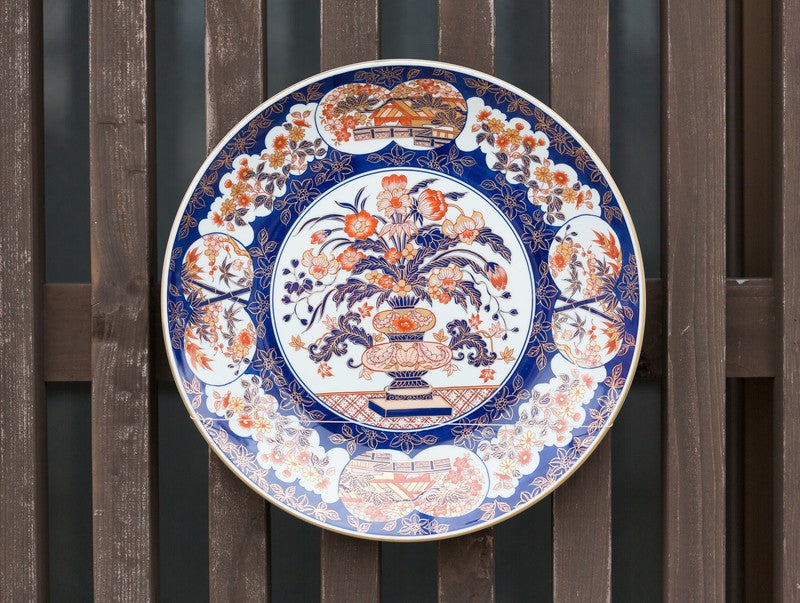
What is Imari Ware? | Japan's Most Famous Export Porcelain
Imari: The Porcelain That Conquered Europe
Imari ware (伊万里焼, Imari-yaki) refers to Japanese porcelain shipped from the port of Imari in Saga Prefecture during the Edo period (1603–1868). Technically produced in nearby Arita, these vibrant ceramics became one of Japan's most celebrated cultural exports.
The Three Styles of Imari
Ko-Imari (Old Imari)
The most recognizable style features bold combinations of cobalt blue, iron red, and gold. Designs often depict flowers, phoenixes, and elaborate geometric patterns, covering nearly every surface of the piece.
Kakiemon Style
Named after the potter Sakaida Kakiemon, this refined style emphasizes white space (yohaku). Delicate, asymmetric designs of flowers, birds, and tigers are painted in soft reds, blues, yellows, and greens.
Nabeshima Style
Produced exclusively for the ruling Nabeshima clan, these are considered the pinnacle of Japanese porcelain. Precise, symmetrical designs and a distinctive comb-tooth pattern on the foot characterize these rare pieces.
Imari's Impact on World Ceramics
When Chinese porcelain exports halted during the Ming-Qing transition, European traders turned to Japan. Imari ware filled grand European palaces and inspired countless imitations. The "Imari pattern" became a standard in European ceramics — you can still find Imari-inspired designs from makers worldwide.
Collecting Imari Today
Antique Imari pieces command high prices at auction, but contemporary Arita/Imari artisans continue producing beautiful work in traditional styles. Look for pieces that balance vivid color with skilled brushwork, and always buy from reputable dealers who can verify provenance.
ITOWOCASHI POINT
会員になると、毎日のご来店・記事を読む・ミニゲームでポイントが貯まり、¥500・¥1,200 OFF クーポンに交換できます。