How to Care for Japanese Pottery | Daily Maintenance & Troubleshooting Guide
Why Japanese Pottery Needs Special Care
Japanese ceramics — from delicate porcelain to rustic earthenware — are crafted to be used daily. Unlike mass-produced tableware, handmade pottery has unique characteristics that require thoughtful care. With proper maintenance, these pieces can last generations and develop a beautiful patina over time.
Before First Use: Preparing Your Pottery
Before using unglazed or porous pottery for the first time, soak it in water for 30 minutes to an hour. This fills the microscopic pores and prevents food stains from penetrating the clay. For pieces with a crackle glaze (kannyu), this step is especially important.
Daily Cleaning Tips
Hand wash with mild soap — Avoid harsh detergents that can strip natural oils from unglazed surfaces
Use soft sponges only — Abrasive scrubbers can scratch glazes and remove painted designs
Dry thoroughly — Moisture left in porous clay can cause mold or musty odors
Don't stack without padding — Place cloth or paper between pieces to prevent chips
Handling Stains
Tea and coffee stains are common on light-colored pottery. Soak the piece in a solution of baking soda and warm water overnight. For stubborn stains on unglazed ware, a paste of baking soda applied with a soft cloth works well. Avoid bleach, which can damage certain glazes.
Can You Use a Dishwasher?
Porcelain (jiki) with a smooth, fully-glazed surface is generally dishwasher safe. However, hand-painted pieces, gold-trimmed ware, earthenware (toki), and lacquerware should always be hand washed. When in doubt, hand wash — it only takes a moment and preserves your pottery for years to come.
Microwave Safety
Most glazed porcelain is microwave safe, but avoid microwaving pieces with metallic decoration (gold or silver), unglazed pottery that may crack from uneven heating, or lacquerware which will be damaged by microwaves.
Repairing Chips and Cracks
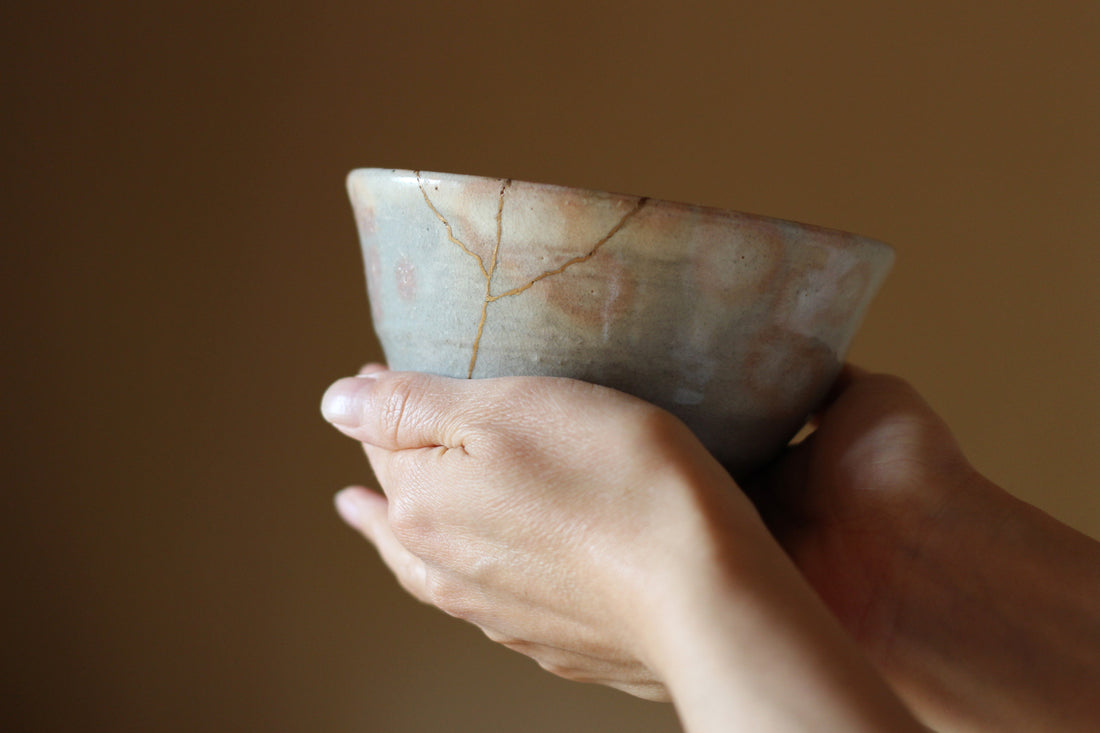
The Japanese art of kintsugi (golden repair) transforms broken pottery into something even more beautiful. Small chips can be repaired at home with food-safe kintsugi kits, while larger breaks are best handled by professional artisans. This philosophy of embracing imperfection is central to Japanese aesthetics.
Storage Best Practices
Store in a dry, well-ventilated area
Use felt or cloth dividers between stacked plates
Keep delicate cups hanging or on individual shelf spaces
Avoid extreme temperature changes (don't move from freezer to oven)
With these simple care practices, your Japanese pottery will serve you beautifully for decades — becoming more characterful with each use.
ITOWOCASHI POINT
会員になると、毎日のご来店・記事を読む・ミニゲームでポイントが貯まり、¥500・¥1,200 OFF クーポンに交換できます。