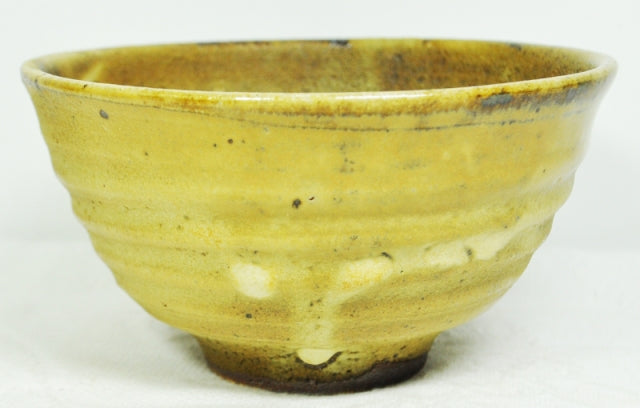
What is Seto Ware? | One of Japan's Six Ancient Kilns

What is Seto Ware? | One of Japan's Six Ancient Kilns

Seto: Where Japanese Ceramics Began

Seto ware (瀬戸焼, Seto-yaki) comes from the city of Seto in Aichi Prefecture, one of Japan's Six Ancient Kilns (Nihon Rokkoyō). So central is Seto to Japanese ceramic culture that the word "setomono" (瀬戸物) became a general term for all pottery in Japan.

A 1,000-Year History

Seto's ceramic tradition dates back to the 13th century when potter Katō Shirōzaemon brought glazing techniques from China. Unlike other ancient kilns that primarily produced unglazed wares, Seto pioneered glazed ceramics in Japan — including ash glaze, iron glaze, and eventually porcelain production.

Distinctive Seto Glazes

  • Ki-Seto — A warm yellow glaze with subtle green spots, unique to Seto
  • Shino — Thick, creamy white glaze with iron-painted designs showing through
  • Oribe — Bold green copper glaze with free-form designs, named after tea master Furuta Oribe
  • Ofuke — Blue-tinted ash glaze resembling celadon

Seto Today

Modern Seto continues to produce both traditional tea ceremony ware and contemporary tableware. The annual Seto Ceramic Festival (Setomono Matsuri), held every September, attracts over 500,000 visitors and is one of Japan's largest pottery markets.

関連記事

ブログに戻る